
Redesigning Earth develops and validates a construction method adapted to post-industrial conditions.
The method is defined by two non-negotiable constraints:
- Materials must be locally producible from renewable biological sources.
- Construction must be automated to function under persistent labor scarcity.
Using fungal chitin-based composites and large-scale additive manufacturing, Redesigning Earth builds and tests self-supporting habitats in which structure and essential functions are integrated by design.
Why current construction fails
Industrial construction depends on conditions that are no longer stable:
- continuous availability of manual labor,
- centralized production of energy-intensive materials,
- global logistics for transport and coordination,
- separation of structure and building systems into specialized trades.
These dependencies increase cost, fragility and organizational overhead as resource and labor constraints intensify.
Under these conditions, conventional construction does not merely underperform — it becomes structurally nonviable.


Material constraint: local and biobased
Any construction method that scales under declining industrial capacity must rely on materials that can be produced locally with low energy input.
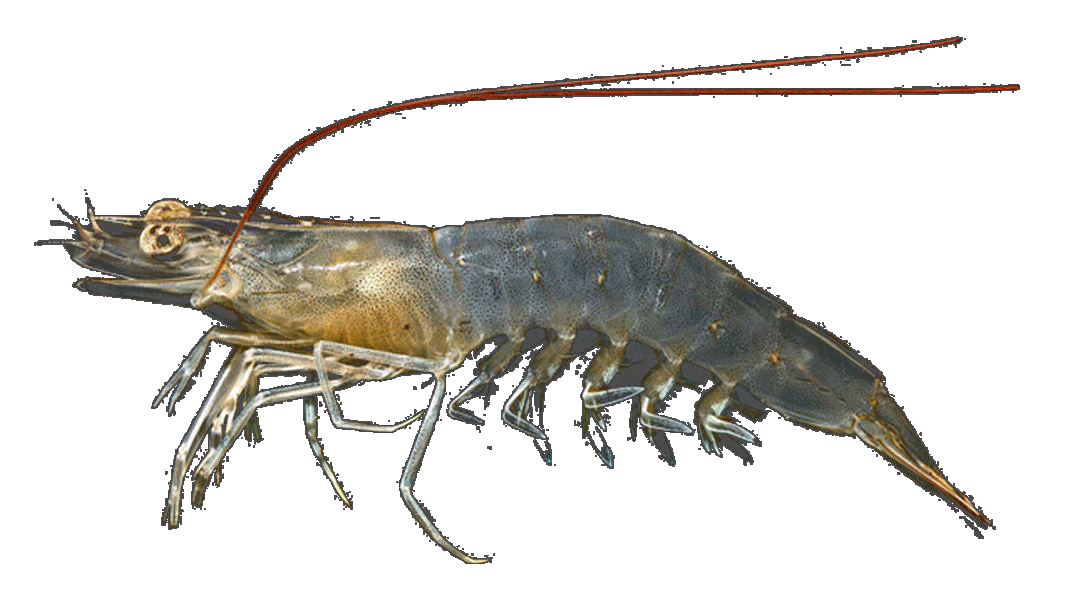
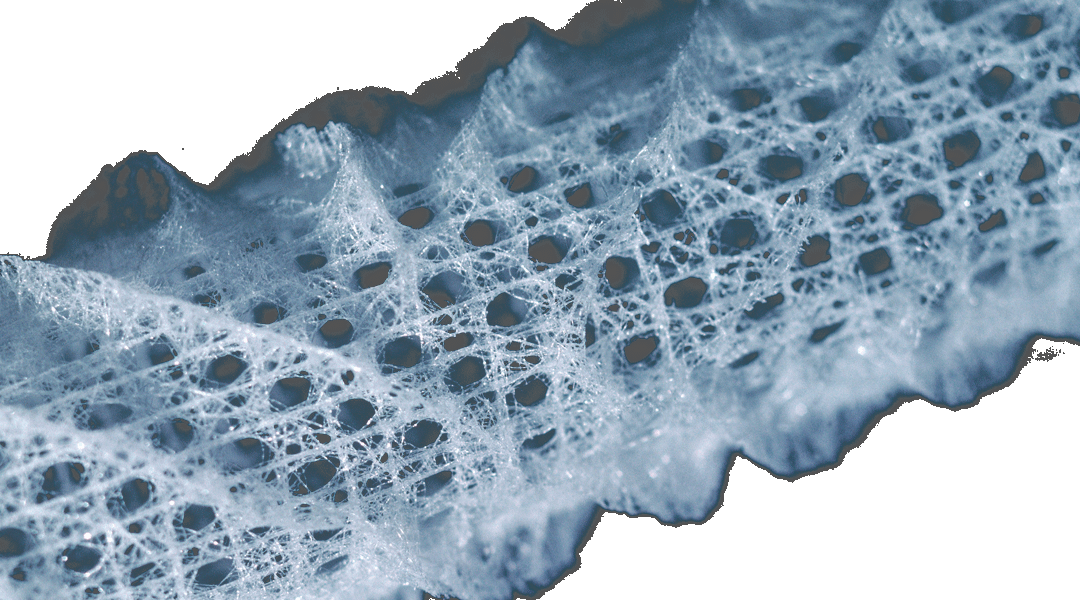
Redesigning Earth works with fungal-based chitin composites grown from organic waste streams.
These materials:
- are renewable and locally reproducible,
- require no mining or high-temperature industrial processing,
- can form dense, load-bearing structures when processed under pressure and moderate heat,
- can be printed as porous cellular geometries providing thermal insulation,
- can form thin translucent or transparent layers for light-transmitting surfaces.
A single locally produced biopolymer can therefore replace multiple conventional materials used in buildings.
Material production shifts from global extraction to local biological growth.
Production constraint: automation
Construction methods dependent on skilled manual labor cannot scale under persistent labor shortages.
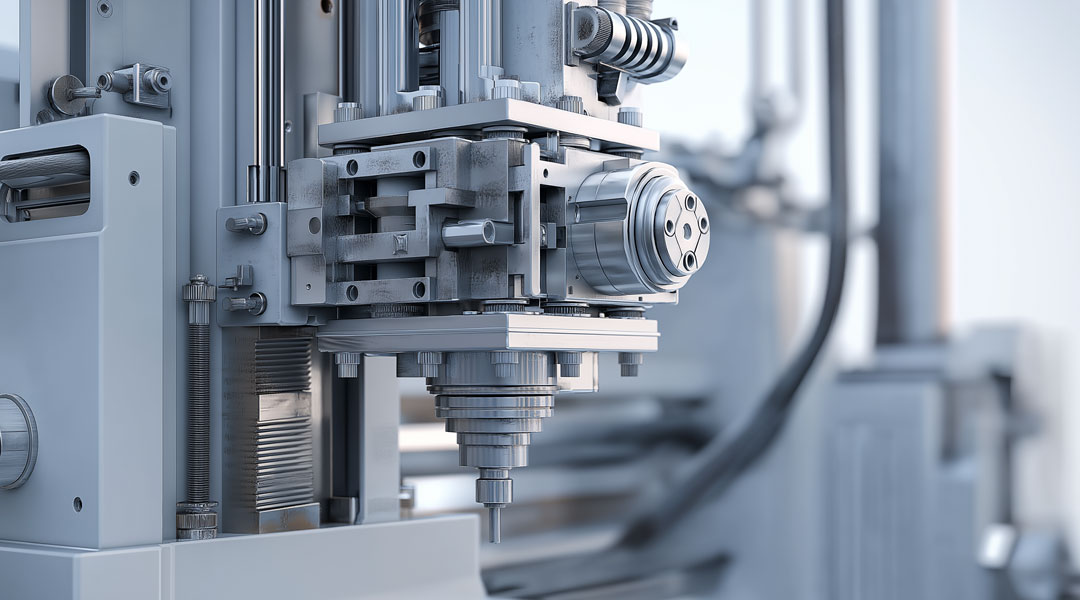
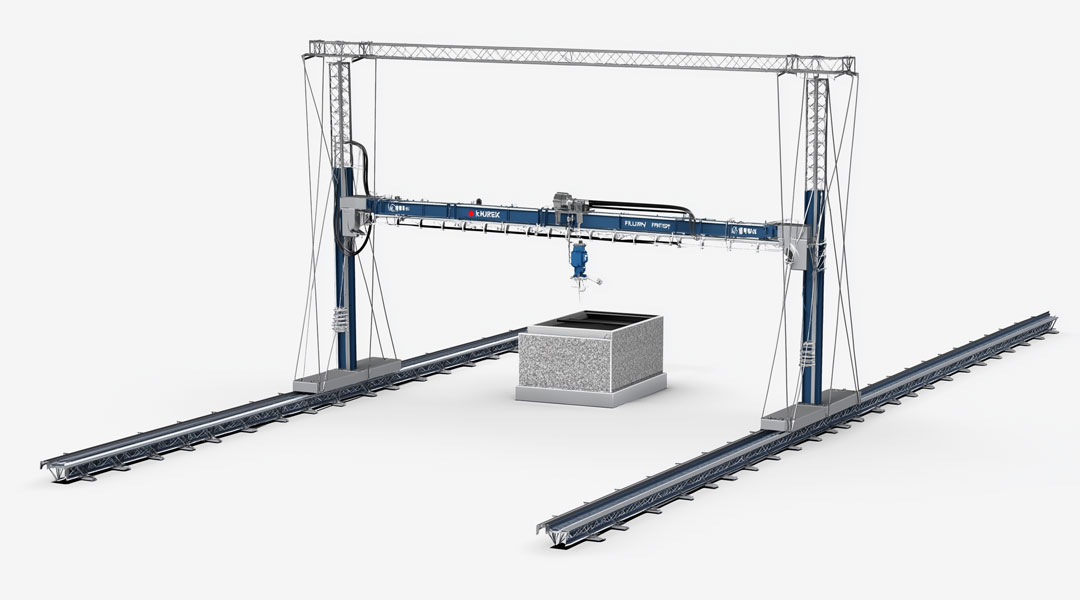
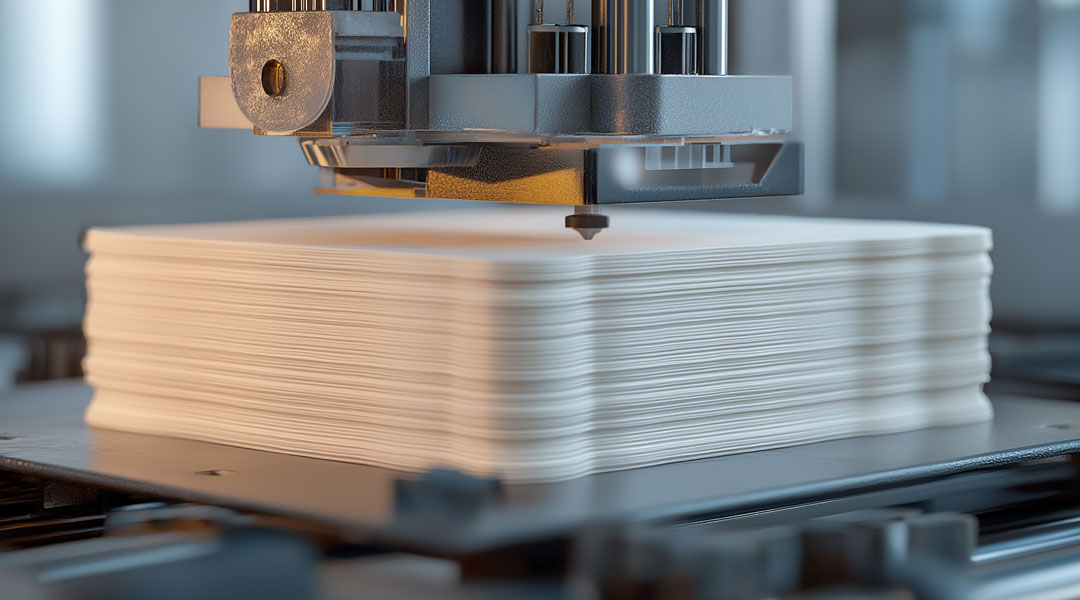
Redesigning Earth uses automated, additive construction to produce entire structures layer by layer.
This approach:
- minimizes human labor input,
- reduces coordination between specialized trades,
- allows continuous and repeatable production,
- enables precise control over internal structure and material distribution.
Automation is not an efficiency improvement; it is a requirement for continuity.


Structural integration of functions
Conventional buildings treat structure and function as separate systems.
Additive construction removes this separation.
Because structures are formed layer by layer:
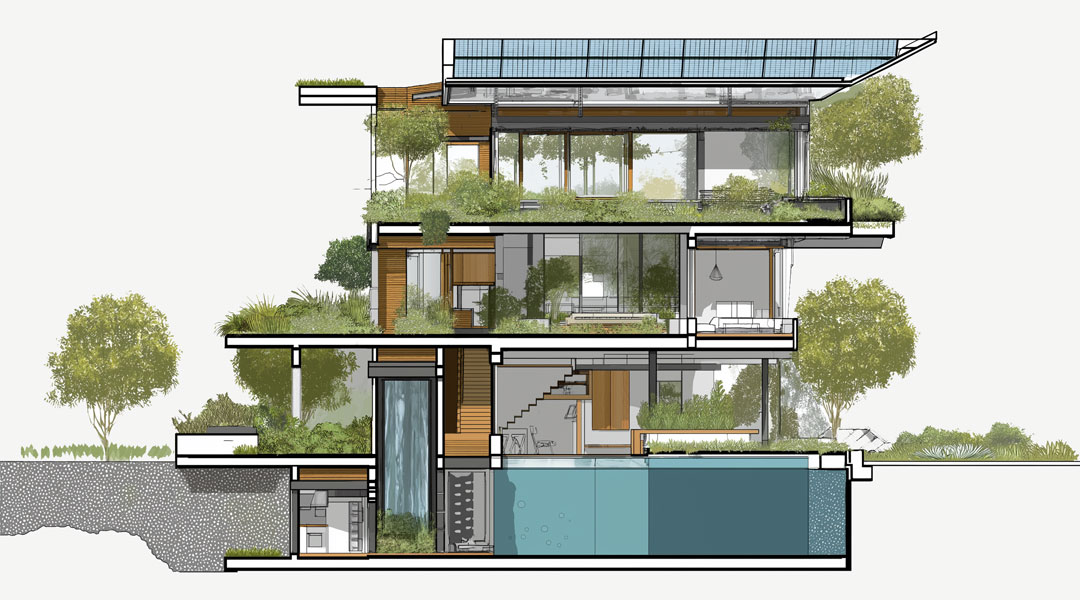
- insulation, reinforcement and thermal mass are embedded,
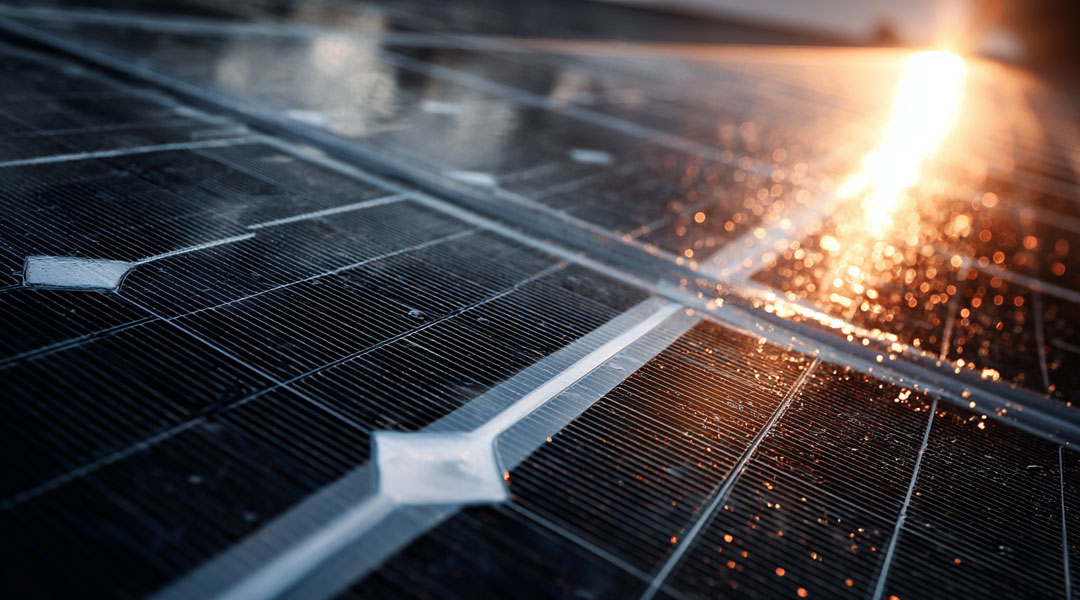
- energy generation and climate control are structurally incorporated,
- channels for water collection, storage and filtration are integrated,
- spaces for waste processing and food production are designed as part of the form.
Essential functions are not installed after construction; they are part of the structure itself.

The self-supporting cell
A building is treated as a minimum viable habitat, not a static object.
Each site is developed as a self-supporting cell providing:
- shelter,
- energy,
- water,
- food,
- waste processing,
- material production.
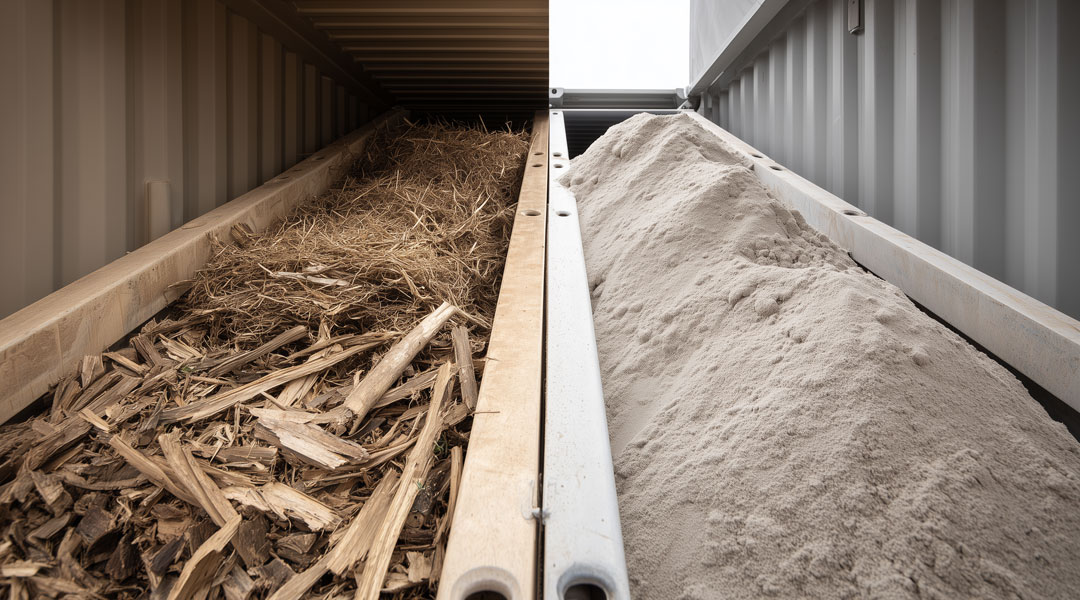
Organic waste streams are not exported. Food waste is converted on site into fungal biomass, which serves as a renewable feedstock for structural and functional building materials.
External inputs—energy, water, food, materials—are reduced to the lowest level permitted by local conditions. Outputs—waste, emissions, dependency—are minimized by design.
This cell defines the smallest repeatable unit of a stable built environment: a habitat that sustains itself materially, energetically, and structurally.


Scaling under constraint
Scaling does not occur through organizational growth or centralized control.
It occurs through:
- repetition of the same material logic,
- reuse of the same automated construction processes,
- local adaptation without altering the core method.
Replication replaces expansion.
Validation
Redesigning Earth does not publish plans or scenarios.
It produces physical reference builds, places them into use and evaluates performance over time.
Only methods that remain functional under real conditions are retained.
Open documentation
All validated designs, material formulations and construction methods are documented and shared openly.
This allows replication, modification and further testing across different locations without centralized dependency.
Accountability
This site documents an ongoing process.
Its relevance is determined exclusively by whether the built structures continue to function under sustained use.